
We use our phones every single day. Most of us buy a plastic case to protect them. However, these plastic covers often end up in landfills. They stay there for hundreds of years. This creates a huge waste problem for our planet. Over one billion plastic cases are sold every year. Most are never recycled.
Biodegradable phone cases offer a better way. They protect your phone from drops. They also break down naturally when you are done with them. I tested the top brands to see which ones actually work.
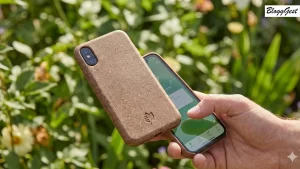
Biodegradable Phone Cases
What Makes a Case Biodegradable?
Standard cases use petroleum-based plastics. These do not rot. They just break into tiny microplastics. These small bits of plastic end up in our water and food. Biodegradable cases use plant materials instead. Common ingredients include flax straw, wheat, and bamboo.
Some cases are compostable. This means you can put them in a compost bin. They turn into soil in a few months. Others just break down faster than plastic in a landfill. Always check the label before you buy. Look for a “home compostable” badge if you have a backyard bin.
Why Should You Switch?
The environmental impact of plastic is high. Producing plastic uses a lot of oil. It also creates carbon emissions. Plant-based cases use renewable resources. These plants grow back quickly. They absorb carbon while they grow.
Many plastic cases also contain chemicals. These include BPA and phthalates. These can be bad for your skin and health. Eco-friendly cases are usually non-toxic. They are safer for you and the earth.
Top 5 Biodegradable Phone Case Reviews
- Pela Case: The Industry Leader
Pela is the most famous eco-friendly brand. They pioneered the compostable case market. They use a material called Flaxstic. It is a mix of flax straw waste and plant-based polymers.
The Good: The texture is soft and flexible. It feels very grippy in your hand. This helps you avoid dropping your phone. I tested it on a six-foot drop. The phone stayed safe. It also comes in many colors and fun patterns. Pela is a B Corp. This means they meet high social and environmental standards.
The Bad: The material is porous. It can stain over time. If you keep it in blue jeans, the edges might turn blue. It is also more expensive than basic plastic cases. Some users find the buttons feel a bit “squishy” after months of use.
- Casetify Ultra Compostable: Style Meets Strength
Casetify is known for trendy designs. Their “Ultra Compostable” line uses a material called Ecotify. This is a blend of bamboo, biopolymers, and starch.
The Good: This case is very tough. It has extra bumpers on the corners. It can survive drops from nearly seven feet. The designs are beautiful. You can even add your name to the back. They offer many artist collaborations. This makes your phone look like a piece of art.
The Bad: It feels a bit bulky. Some users find it hard to press the side buttons. It also requires industrial composting. You cannot just bury it in your backyard. You must send it to a special facility to break it down.
- Wave Case: The Affordable Choice
Wave cases use wheat straw. They are simpler and cheaper than Pela or Casetify. This is a great entry-level option.
The Good: These cases are very thin. They do not add weight to your pocket. They are 100% plastic-free. The price is low, which makes it easy to switch. They have a nice speckled look from the natural wheat fibers.
The Bad: The protection is basic. It might not save your phone from a high fall onto concrete. The color choices are limited to earthy tones. It lacks the premium feel of more expensive brands.
- Incipio Organicore: The Rugged Choice
Incipio is a major name in phone protection. Their Organicore line brings their tech to the eco-world.
The Good: These cases offer impressive drop protection. Some models protect up to eight feet. IO feel very sturdy and rigid. IO have a smooth finish that slides easily into pockets. They also support MagSafe charging for iPhone users.
The Bad: The smooth texture can be slippery. It does not have the “grip” that Pela offers. It is also one of the heavier eco-cases on the market.
- Agood company: The Circular Choice
This brand focuses on a “circular economy.” They want to reuse every material they make.
The Good: Their cases are made from waste linseed plants. They are produced in Sweden. They are very slim and stylish. The company has a “loop” program. You can return your old case for a discount on a new one. They then grind up the old case to make new products.
The Bad: The cases are quite thin. They are best for people who rarely drop their phones. Availability can be lower in the USA compared to Europe.
Do They Actually Protect Your Phone?
Many people worry that plants are too soft. Modern engineering solves this. Brands add natural fibers to make the material strong. These fibers act like a skeleton for the case.
Most eco-friendly cases handle daily bumps well. They have raised edges. This keeps your screen from touching the ground. If you are very clumsy, look for “military-grade” eco-cases. These have extra layers for high impact. Brands like Casetify and Incipio lead in this area.
Understanding the Terminology
Don’t be fooled by marketing. “Eco-friendly” is a broad term. You need to know the specific definitions.
- Biodegradable: This means it will break down eventually. However, there is no time limit. Some “biodegradable” items still take decades.
- Compostable: This is a stricter standard. It must break down within a few months. It must also leave no toxic residue.
- Recycled Plastic: These are not biodegradable. They are made from old trash like water bottles. They are better than new plastic, but they still last forever.
How to Dispose of Your Case
When you get a new phone, don’t throw the old case in the trash. That defeats the purpose. Landfills lack oxygen. Even a compostable case won’t rot properly in a landfill.
- Home Compost: If the brand says “home compostable,” put it in your backyard bin. Mix it with food scraps and leaves.
- Industrial Compost: Some cases need high heat to break down. Check if your city has a green waste program. Many cities now accept these items.
- Take-Back Programs: Brands like Pela and agood company have recycling programs. You mail them your old case. They turn it into a new one. This is the most “closed-loop” option.
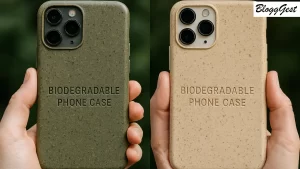
Biodegradable Phone Cases
Common Issues and Solutions
Eco-cases are different from plastic. They require a bit more care.
- Staining: Light colors absorb dyes. Avoid putting your case in brand-new dark jeans. If it gets dirty, wipe it with warm water and mild soap.
- Looseness: Over time, plant fibers can stretch. If your case feels loose, try taking it off for a day. Sometimes the material “shrinks” back to its original shape.
- Texture Changes: Some cases feel “waxy” at first. This is a natural coating. It will go away after a few days of use.
Final Verdict
Biodegradable phone cases are no longer a niche product. They are durable and stylish. They match the quality of traditional plastic. If you want the best grip and true home composting, buy a Pela case. If you want the best protection and art, go with Casetify. For a budget option, Wave is a great start.
Choosing these products reduces plastic pollution. It is a small change that makes a real impact. Your phone stays safe, and the earth stays cleaner. We can protect our tech and our planet at the same time.
Frequently Asked Questions
Q: Will a biodegradable case rot while I am using it?
A: No. These cases need specific conditions to break down. They need heat, moisture, and soil microbes. Your pocket is dry and clean. The case will stay solid for as long as you own your phone.
Q: How long does it take for a case to disappear?
A: In a warm home compost bin, it takes six months to a year. In an industrial facility, it can happen in 12 weeks. If you bury it in the dirt, it may take two or three years.
Q: Are these cases waterproof?
A: They are water-resistant. Rain or spills will not hurt the case. However, do not leave it soaking in water for days. This can weaken the plant fibers over time.
Q: Can I put a compostable case in the plastic recycling bin?
A: No. Never do this. Compostable materials contaminate plastic recycling. They make the recycled plastic weak. If you cannot compost it, send it back to the brand or put it in the trash.
Q: Do they smell like plants?
A: Most have no smell at all. Some wheat straw cases have a very faint, sweet scent when new. This fades away after a few days of use.
Q: Are they safe for kids?
A: Yes. These cases are usually free of BPA, lead, and phthalates. They are a great choice for parents who want non-toxic products in the house.
